Want a youth flag football play that looks simple on the drawing board but can make defenders seriously uncomfortable once the ball is snapped? Meet the Twins Outside Slants.
This 5-on-5 passing concept is built around one of the most useful ideas in youth football: make the defense choose between multiple threats at nearly the same time. Instead of asking a young quarterback to wait forever for a receiver to get wide open, the play creates a quick first read, a deeper second option, and short outlets when things get messy.
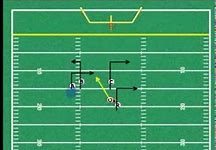
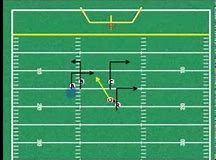
The original Youth Flag Football HQ version uses a Twins formation, with two receivers grouped near one sideline, the quarterback under center, and the running back positioned on the opposite side. The quick slant is the first attack, while a deeper slant or post gives the quarterback another option behind it.
That combination is what makes the play fun. It’s a little like opening two doors at once and hoping the defender walks through the wrong one.
What Is the Twins Outside Slants Play?
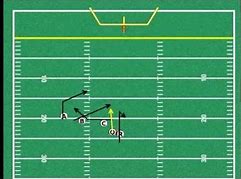
Twins Outside Slants is a 5-on-5 flag football passing play designed to attack the defense with layered routes from a Twins alignment.
The two receivers line up together toward the left or right side of the formation. They stay relatively close to each other near the sideline. The quarterback lines up under the center, while the running back sets up on the opposite side a few yards behind the line.
The magic begins after the snap.
The inside receiver immediately runs a quick slant across the middle. This is generally the quarterback’s first read. The outside receiver takes a deeper slant or can work into a post-type path, giving the quarterback a second window farther downfield.
Meanwhile, the center and running back serve as short options if the defense covers both slants.
That structure gives the quarterback a progression instead of forcing him or her to stare at one receiver and hope for the best.
Why the Twins Formation Works So Well
The common flag football positions may sound straightforward, but where those players line up can change the entire picture for a defense.
When two receivers are stacked toward one side, defenders have to communicate. Are they playing man coverage? Are they protecting an area? Who takes the quick slant? Who stays deeper?
Even young defenders can get caught thinking for a split second.
And in flag football, a split second can feel like an entire commercial break.
The Twins alignment also helps create space for the quarterback’s primary read. With both receivers toward one side and the running back opposite them, the offense can pull defenders in one direction and then attack the space that opens.
You can see several variations of this concept inside the site’s youth flag football playbook, which includes multiple 5-on-5 and 6-on-6 formations and plays.
How the Play Develops After the Snap
Step 1: Hit the Quick Slant
The first receiver’s job is to get inside quickly and cross the defense.
The quarterback should be ready with the ball rather than waiting for a perfect, postcard-quality opening. The whole point of a quick slant is timing.
The receiver should make a sharp cut and attack open space across the middle. A soft, rounded turn can give the defender time to recover.
This is where strong fundamentals matter. Youth Flag Football HQ’s basic offensive drill guide emphasizes route precision, catching, passing, and timing before players move into more advanced concepts.
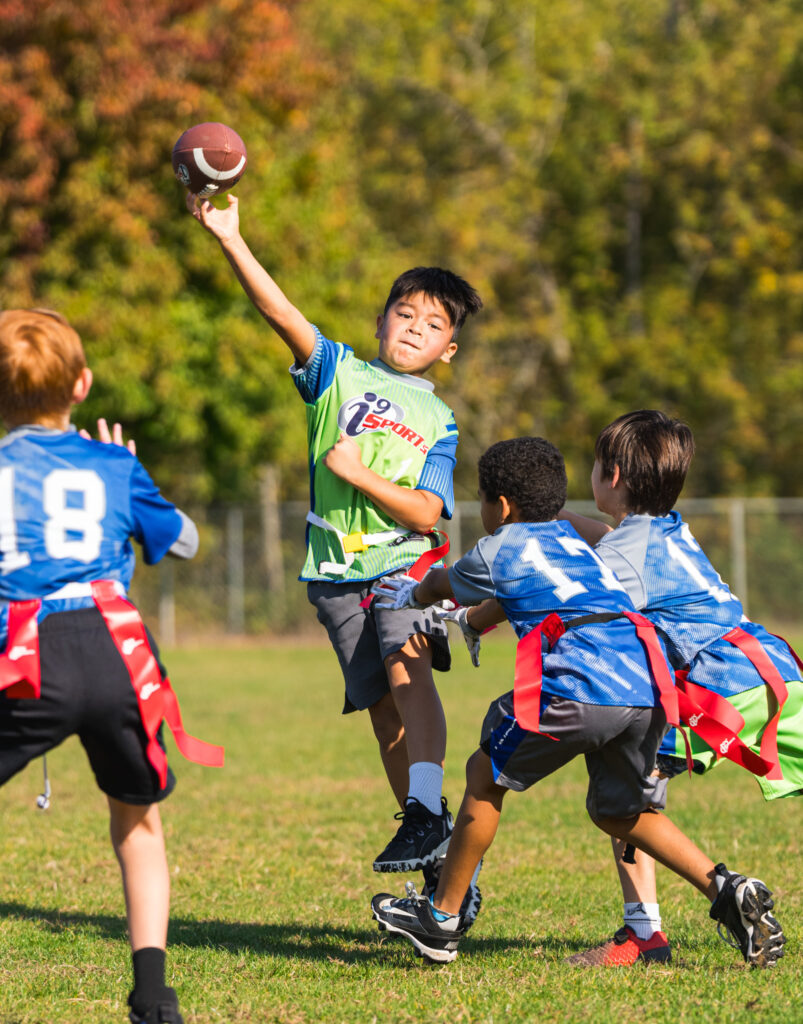
Image credit: i9 Sports
Step 2: Let the Deeper Slant Develop
What happens when the defense jumps the quick route?
Now things get interesting.
The quarterback can use a pump fake toward the short slant and allow the outside receiver to continue on a deeper slant or post. The fake can hold a defender for just long enough to create a better throwing lane.
This is one reason coaches should teach the play as a sequence rather than as five unrelated assignments. Every route has a job, and some routes are there specifically to help another player get open.
Step 3: Use the Short Outlet
Sometimes the defense ruins your beautiful plan.
That happens to every coach. Even the ones with laminated playbooks.
If both slants are covered, the center and running back provide shorter options. The center can hesitate before moving into the space created by the receivers, while the running back works on the opposite side.
The quarterback doesn’t need to force a risky throw. A short completion can keep the offense moving and live to fight another down.
How Each Player Should Run Twins Outside Slants
Quarterback
The quarterback needs to know the order of the reads before the ball is snapped.
Think quick slant first, deeper route second, short outlet third.
The best quarterbacks don’t stare at one receiver from snap to whistle. They scan, make a decision, and throw with confidence.
Use the basic flag football skills page to reinforce snapping, handoffs, and other fundamentals before asking a young quarterback to manage a full progression.
Quick-Slant Receiver
This player needs a fast release and a sharp cut.
Don’t drift across the field like you’re taking a Sunday afternoon walk. Get into the route quickly and show the quarterback a clear throwing window.
The receiver should also keep eyes focused on the quarterback once the route reaches its key point.
Outside Receiver
The outside receiver has a very important job: make the defense respect the deeper route.
A good burst and believable route can pull a defender deeper and create more room underneath. If the defense ignores the receiver, however, this player can become the big-play option.
Center
The center isn’t just there to snap the ball and disappear into the football universe.
After a slight hesitation, the center can move into the space vacated by the slanting receivers. That can create a reliable underneath target.
Coaches can build this timing with the passing and route work found in the youth flag football drills library.
Running Back
The running back gives the quarterback an option away from the main action.
That matters because defenses often slide toward the side with two receivers. When they do, the opposite side can become valuable space.
The running back should stay alert, understand where the defender is, and be ready for a quick pass if the primary reads are covered.
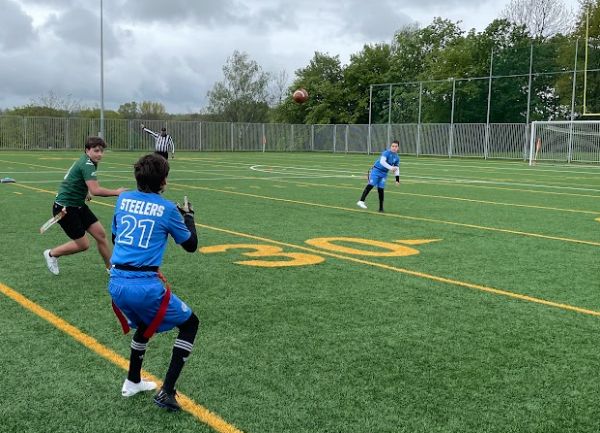
Image credit: ISMM Ostrava Steelers
When Should You Call Twins Outside Slants?
This play is especially useful when you want a quick passing option without making the offense overly complicated.
It can be effective when the defense is crowding the middle, when you want to test how defenders react to two receivers on one side, or when your quarterback is becoming comfortable with short passing progressions.
It also works well as part of a larger playbook. The more defenders see one formation used in different ways, the harder it becomes for them to guess what is coming.
That is where your flag football rules and league-specific restrictions matter. Different youth leagues can have different rules for formations, blocking, motion, running plays, and contact, so always make sure the play fits your competition.
How to Practice Twins Outside Slants Without Boring the Kids
Running the exact same play 25 times while ten kids stand around watching is a fantastic way to make everyone suddenly discover the exciting world of looking at their shoelaces.
Keep the repetitions moving instead.
Start With No Defense
Walk through the formation slowly. Make sure every player knows the route and where the ball should go.
Then increase the speed.
The advanced drill guide recommends combining ball handling, route running, passing, and defensive work rather than relying only on repeated play calling. That approach helps players understand what the play is trying to accomplish, not just memorize arrows.
Use the advanced flag football skills and drill guide for additional route-running, pass-receiving, handoff, and defensive practice ideas.
Add One Defender
Once the offense understands the routes, add one defender.
The defender’s job is to cover the quick slant. This forces the quarterback to recognize the second option.
Next, allow the defender to choose between the two receivers. Now the quarterback has to read the defense rather than simply memorize the play.
Finish With a Mini Scrimmage
Run the play against a realistic defense.
Don’t stop the action after every mistake. Let kids experience what happens when the quick slant is covered, when the deep route opens, or when the quarterback has to dump the ball off.
That is where a practice play turns into a football skill.
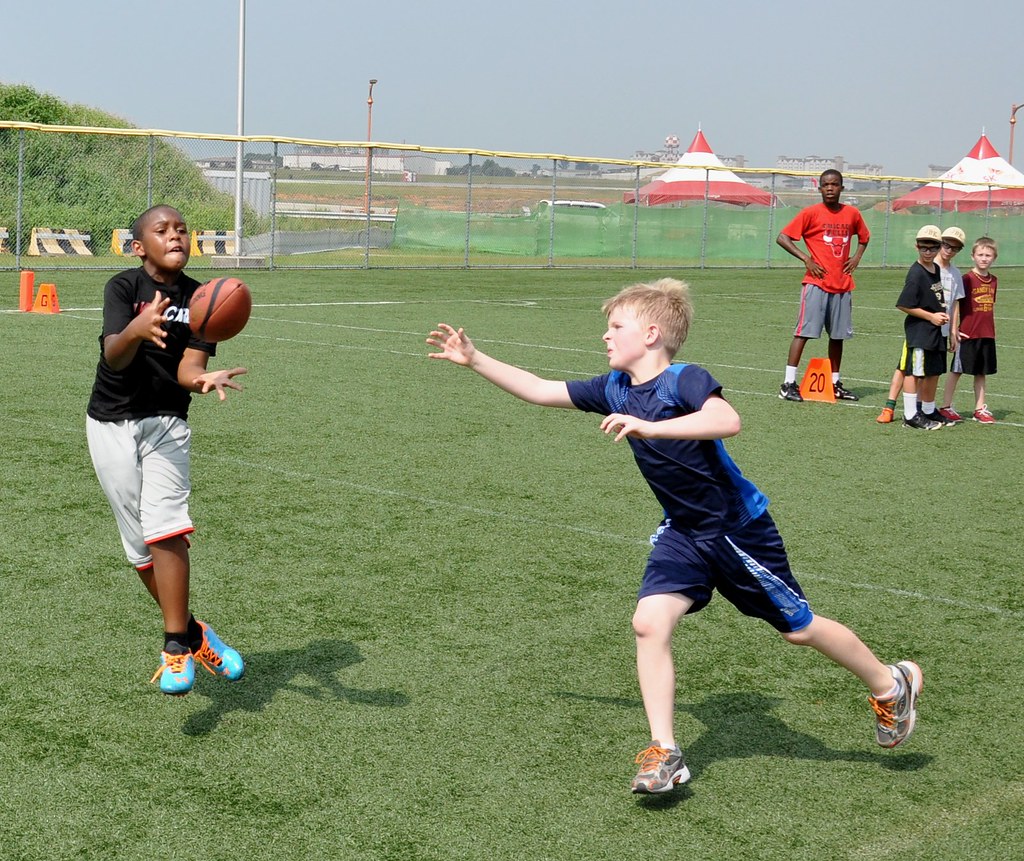
Image credit: Youth Flag Football HQ
Common Mistakes Coaches Should Watch For
- Receivers rounding the slant: Encourage sharp, controlled cuts rather than drifting through the route.
- Quarterback staring down the first read: Teach players to move to the next option when the first receiver is covered.
- Routes getting too close together: Spacing is important. Two receivers standing in the same area make life easier for the defense.
- Forcing the deep pass: The short outlet exists for a reason. A safe completion can be better than a heroic throw into traffic.
- Skipping fundamentals: Before installing advanced passing concepts, reinforce catching, snapping, handoffs, and footwork.
Add a Defense Drill to Make the Play Even Better
A great offensive play becomes much more valuable when players understand what the defense is trying to do.
Flag pulling is especially important in youth football. The flag football defense guide explains why proper flag-pulling technique can transform a team’s defensive performance.
For more movement-based training, try the site’s speed and agility ladder drills. Quick feet help players on both sides of the ball, especially when receivers have to make sudden route cuts and defenders need to change direction.
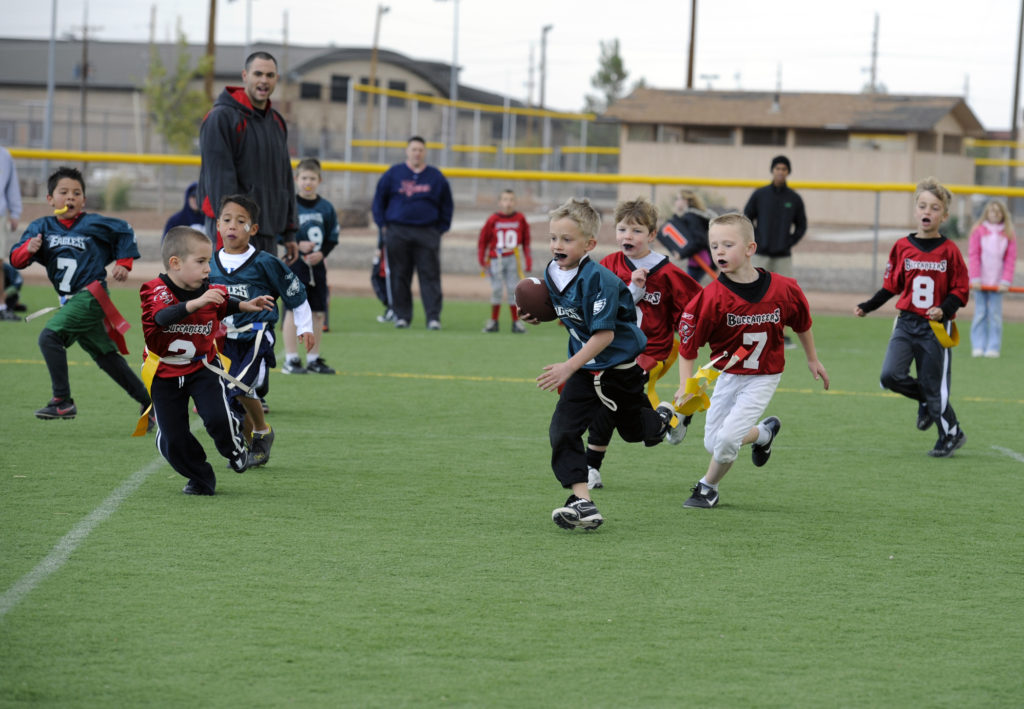
Image credit: Youth Flag Football HQ
How to Build Twins Outside Slants Into a Bigger Playbook
One play rarely wins an entire game. The real advantage comes from creating a family of plays that look similar at the start.
For example, a coach can use a Twins formation for outside routes, inside slants, quick passes, or handoffs. The defense may recognize the formation, but it shouldn’t automatically know the play.
You can expand this approach by studying Twins Inside Slants and other formations in the playbook. Having complementary plays helps keep defenders from simply leaning toward one side of the field every time they see your favorite formation.
It’s the football version of keeping a few cards up your sleeve—just make sure the referee doesn’t catch you actually holding cards on the field.
Make the Play Age-Appropriate
A seven-year-old quarterback and a thirteen-year-old quarterback should not be expected to make the same reads at the same speed.
For younger players, keep the progression extremely simple. Give them one primary target and one outlet. As players become more comfortable, introduce the pump fake and deeper option.
The right football can help, too. Check the youth flag football sizing guide to choose an age-appropriate ball for practice.
Coaches can also add fun competition between repetitions. After all, children learn faster when they are engaged. The flag football games for kids collection offers ideas for keeping practices active while developing useful skills.
Keep Safety at the Center of the Practice
Good offense should never come at the expense of player safety.
Make sure the field is suitable, players understand the rules, and practice intensity matches their age and experience. USA Football provides youth football health and safety resources covering areas such as player protection, coach education, and preparation. View USA Football Health & Safety resources.
It’s also smart to have a clear plan for injuries and know what to do when a player reports symptoms or takes an unexpected hit.
For concussion recovery and return-to-sport guidance, the CDC recommends that athletes return to sports only with approval from a healthcare provider and progress gradually through a return-to-play process. See the CDC’s return-to-sports guidance.
Final Thoughts on Twins Outside Slants
The Twins Outside Slants play works because it teaches young players an important football lesson: every route has a purpose.
The quick slant attacks space now. The deeper route stretches the defense. The center and running back provide safety valves. The quarterback learns to read the field instead of throwing blindly.
Start slowly, practice the timing, add a defender, and then put the play into a short scrimmage. Most importantly, let the kids enjoy learning it.
When players finally execute the whole thing at full speed and the pass lands perfectly in stride, you’ll hear that familiar sound from the sideline—a coach yelling, “That’s it!”
And honestly, that’s when a simple play starts feeling like a great one.
Related Youth Flag Football Resources
Coaches looking to build a complete practice plan can also explore flag football terms and rules, ways to avoid flag football injuries, and the full collection of youth flag football drills.